
"according to introduction"
10000 article(s) found

Introduction of varieties and planting areas of coffee beans
In addition to the classification according to the planting area, there is another classification of coffee plants, that is, coffee trees, or coffee varieties. According to plant classification, the number of varieties of coffee trees is very large, but there are only two main varieties commonly used for coffee; one is Arabian coffee, and the other is Robbas special coffee. The former tastes pure and tastes good, but the concentration
Introduction of blended coffee beans made according to the golden proportion
In addition to location, there are many other factors that affect the quality of coffee: planting methods, soil fertility, weather, especially rainfall and light, and exact latitude. The above factors combined with the treatment of raw coffee beans have created the diversity of coffee from different countries and regions in the world. But among the many coffee beans, Arabica is the most popular among coffee lovers.

El Salvador Himalayan Coffee Flavor description, Grinding characteristics, introduction to the taste of varieties
Coffee from El Salvador is a specialty of Central America, where it is light, fragrant, pure and slightly sour. Like Guatemala and Costa Rica, coffee in El Salvador is graded according to altitude, and the higher the altitude, the better the coffee. The best brand is Pipil, which is what the Azbec AztecMayan called coffee, and it has been acquired.
Introduction to the varieties of Tarazhu Coffee beans in Costa Rica by Grinding scale treatment
Although the taste is relatively rough, it can be regarded as a kind of high-quality and inexpensive coffee, which has its own standard because it is distributed all over the country and its solid quality varies (NO.2~NO.8 according to the number of sundries, NO.13~NO.19 according to the size of beans, and six grades according to taste). Almost all Arabica species are of good quality and stable in price, and the most famous one is Goth.

History of introduction and expansion of Coffee in early China (1)
1. The introduction of Ruili Jingpo Nongxian Coffee was recorded in 1914. In April 1996, it was compiled by the compilation Committee of Ruili City Chronicles of Yunnan Province. The fifth coffee section on page 383 of Ruili City Chronicles published by Sichuan Dictionary Publishing House recorded that as early as 1914, the Jingpo people have been introduced from Myanmar to Nongxian Township for cultivation. Yunnan Provincial Chronicles, Volume 39, Chapter 3 of the Local Series of the people's Republic of China

Introduction of manor treatment method for describing the best roasting degree and flavor of Costa Rican coffee beans
Costa Rican coffee beans best roast flavor description manor treatment method Costa Rican coffee full particles, ideal acidity, unique strong flavor Costa Rican coffee industry was originally controlled by the Costa Rican Coffee Industry Company (InstitutodelCafdeCostaRica ICAFE) has been taken over by the official Coffee Committee (OficinadelCaf)

Description of Flavor of Brazilian Coffee with mild Flavor introduction to Variety Price of Grinding method
Other kinds of Brazilian coffee, such as Rio and Parana, can be produced in large quantities because they do not need too much care. Although they taste rough, they can be regarded as a kind of good and cheap coffee. Because they are distributed all over Brazil and their solid quality varies, they have their own standards (NO.2~NO.8 according to the number of sundries, NO.13~NO.19 according to the size of beans, and six according to taste).

Introduction to the kinds of Coffee Sugar
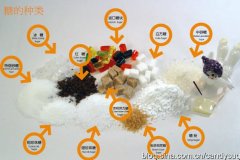
White granulated sugar, also known as sucrose, is a granular crystal and is the basic raw material for sugar production. According to the size of the crystal, there are three kinds of sugar: coarse sand, medium sand and fine sand, all of which are made from sugar cane or sugar beet. It is characterized by high purity, low moisture and few impurities. The content of domestic granulated sugar is more than 99.45% and the moisture content is less than 0.12%. According to the standard, it is divided into three types: excellent grade, first grade and second grade.
Introduction to the kinds of Coffee Sugar
White granulated sugar, also known as sucrose, is a granular crystal and is the basic raw material for sugar production. According to the size of the crystal, there are three kinds of sugar: coarse sand, medium sand and fine sand, all of which are made from sugar cane or sugar beet. It is characterized by high purity, low moisture and few impurities. The content of domestic granulated sugar is more than 99.45% and the moisture content is less than 0.12%. According to the standard, it is divided into three types: excellent grade, first grade and second grade.

Introduction to the course of making espresso: a detailed introduction to the strength of pressing powder made by Espresso
Powder pressing is a very important step in the manufacturing process of Espresso. We have already talked about the importance and requirements of pressing powder. So is the use of pressing powder as strong as possible? What does the power of powder pressing have to do with it? Theoretically speaking, with the difference of the thickness of the coffee powder, that is, the grinding degree of the coffee powder, the force of the pressing powder should be adjusted accordingly. The coarser the coffee powder is ground

Introduction to El Salvador Coffee Bean Flavor description Grinding scale treatment Manor
Salvadoran coffee ranks side by side with Mexico and Guatemala as the producers of Asa and Merdo, and is fighting for the top one or two places in China and the United States with other countries. The highlands of origin are large coffee beans of all sizes, which are fragrant and mild in taste. Like Guatemala and Costa Rica, coffee in El Salvador is graded according to altitude, and the higher the altitude, the better the coffee

The History of Coffee introduction and expansion in China in the early stage (1)
1. The introduction of Ruili Jingpo Nongxian Coffee was recorded in 1914. In April 1996, it was compiled by the compilation Committee of Ruili City Chronicles of Yunnan Province. The fifth coffee section on page 383 of Ruili City Chronicles published by Sichuan Dictionary Publishing House recorded that as early as 1914, the Jingpo people have been introduced from Myanmar to Nongxian Township for cultivation. Yunnan Provincial Chronicles, Volume 39, Chapter 3 of the Local Series of the people's Republic of China

History of introduction and expansion of Coffee in China in the early stage of Coffee Development (1)
1. The introduction of Ruili Jingpo Nongxian Coffee was recorded in 1914. In April 1996, it was compiled by the compilation Committee of Ruili City Chronicles of Yunnan Province. The fifth coffee section on page 383 of Ruili City Chronicles published by Sichuan Dictionary Publishing House recorded that as early as 1914, the Jingpo people have been introduced from Myanmar to Nongxian Township for cultivation. Yunnan Provincial Chronicles, Volume 39, Chapter 3 of the Local Series of the people's Republic of China

Introduction to the grinding scale of El Qomolangma coffee varieties taste treatment method
Salvadoran coffee ranks side by side with Mexico and Guatemala as the producers of Asa and Merdo, and is fighting for the top one or two places in China and the United States with other countries. The highlands of origin are large coffee beans of all sizes, which are fragrant and mild in taste. Like Guatemala and Costa Rica, coffee in El Salvador is graded according to altitude. The higher the altitude, the better the coffee.
What is the grading fnc system for Colombian coffee A brief introduction to Colombian supremo coffee beans
Professional coffee knowledge exchange more coffee bean information please follow Coffee Workshop (Wechat official account cafe_style) Front Street-Colombia FNC grading system introduction to the Colombian Coffee producers Association / FNC/ all of these marketing programs are initiated by the Colombian Coffee producers Association (FNC). The association was founded in 1927, which is equivalent to the coffee industry.

Introduction, varieties and characteristics of Brazilian Coffee Brazils
Brazilian coffee generally refers to coffee produced in Brazil. The vast majority of Brazilian coffee is unwashed and sun-dried and is classified according to the name of the state of origin and port of transport. Although coffee is diverse, Brazilian coffee is suitable for the taste of the public. For example, coffee produced in the northern coastal areas has a typical iodine taste, reminiscent of the sea after drinking. This kind of coffee is exported to North America and China.

Introduction to the grindability and the ratio of water to powder of high-quality coffee beans
What is boutique coffee: extract coffee with appropriate concentration, and reflect its unique aroma and taste according to the altitude, origin and variety of coffee. Good coffee is very rare. We often complain that the Italian coffee machine has a hard effect on the taste when extracting coffee, but in fact, all coffee making utensils have more or less defects, so in a sense.

Aromatic, pure Salvadoran Everest Coffee Flavor Description Grind Scale Variety Introduction
Salvadoran coffee is a Central American specialty, light, aromatic, pure and slightly acidic. Like Guatemala and Costa Rica, coffee in El Salvador is graded according to altitude, with the higher the altitude, the better the coffee. The best brand is Pipil, which is Aztec Mayan for coffee, and it has achieved
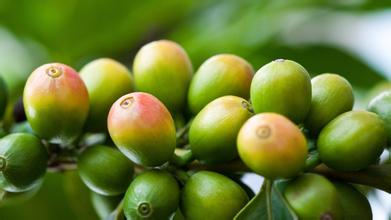
Introduction to the fragrant and authentic Salvadoran coffee bean grinding scale treatment method
Coffee from El Salvador is a specialty of Central America, where it is light, fragrant, pure and slightly sour. Like Guatemala and Costa Rica, coffee in El Salvador is graded according to altitude, and the higher the altitude, the better the coffee. The best brand is Pipil, which is what the Azbec AztecMayan called coffee, and it has been acquired.

Description of Flavor of High-quality Coffee beans in different places introduction of Grinding scale Manor in production area
Local Flavor description of Fine Coffee beans Flavor processing area Grinding scale Manors introduce other kinds of Brazilian coffee, such as Rio and Parana, which can be produced in large quantities because they do not need too much care. Although the taste is rough, it is a kind of coffee with good quality and low price. Because it is distributed all over the country and its solid quality varies, it has its own standard (N according to the number of sundries).